
In today’s fast-moving world filled with information. Learning isn’t something that only happens inside a classroom. Many more education isn’t just about the early school years. It’s a lifelong journey that starts when vr kids and continues through our careers and beyond.
Whether a school student is acquiring fundamental skills in a K-12 education or an active professional is acquiring new skills through executive training, formal training remains a key pillar of personal and professional growth.
At the heart of this ongoing learning process is curriculum development, an innovative and visionary service that creates significant learning experiences for diverse learners.
From shaping young minds’ cognitive and affective development to driving productivity and innovation in the workplace, curriculum development services are critical in creating integrated, relevant, and effective learning paths.
This blog examines how curriculum development services facilitate lifelong learning by bridging gaps between K-12 education, higher studies, and corporate training.
It shows how these services evolve with the learners, keeping up with their changing needs and equipping them with the right tools to succeed in a constantly changing world.
Understanding Curriculum Development Services:
Curriculum development services constitute the essence of any organized course of instruction. Essentially, curriculum development involves developing a concept, planning, and adjusting educational content and experience to make them effective, informative, and pertinent to certain learning objectives. Curriculum development services are not limited to schools; they are provided to students of all ages and phases of their professional careers.
A strong curriculum goes far beyond just listing topics in a syllabus. It’s a well-thought-out plan that shapes the entire learning experience.
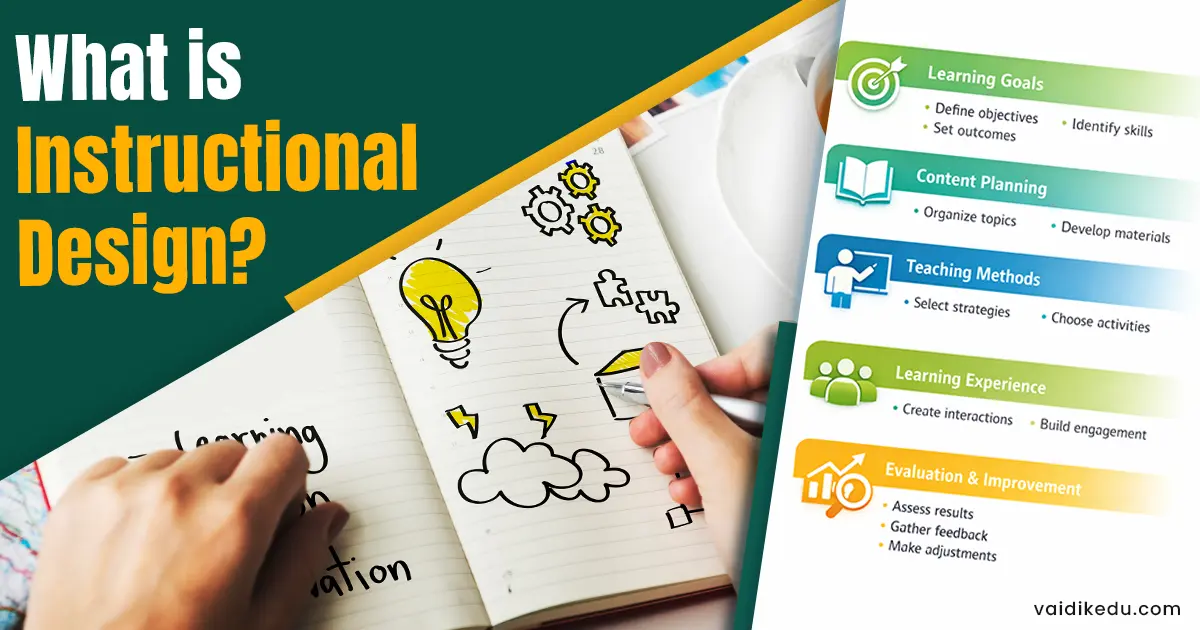
First, it starts with clear learning objectives specific goals that help teachers and learners understand what should be achieved by the end of a lesson or unit.
Next comes the structure of the content. The topics aren’t just thrown together, they’re arranged in a logical, step-by-step order that helps build understanding gradually and meaningfully.
Then we have instructional strategies, which are all about how the material is delivered.This might mean using storytelling to grab students’ attention, hands-on projects that let them explore, case studies to connect lessons to real life, or even digital tools that offer more flexibility in how they learn.
Of course, no curriculum is complete without assessment tools. These help check whether learning occurs through quizzes, assignments, or practical tasks reflecting real understanding.
Finally, there’s adaptability. A good curriculum isn’t one-size-fits-all. It needs the flexibility to meet different learners where they are, whether a group of energetic first-graders or professionals in a corporate training session.
K–12 Curriculum Development: Laying the Foundation:
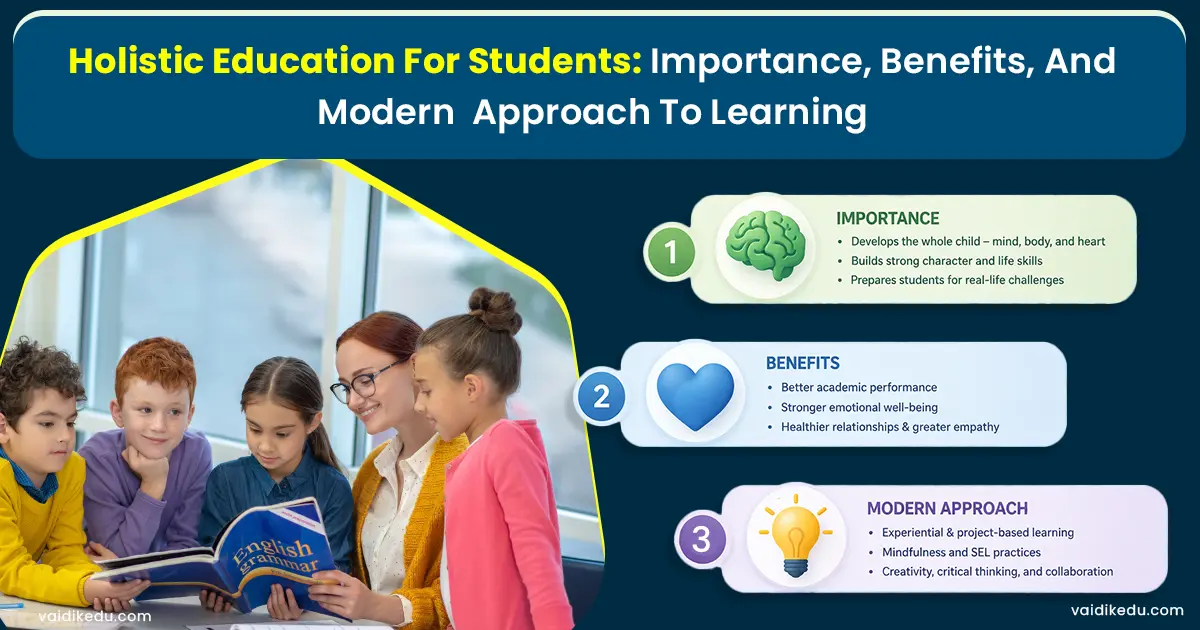
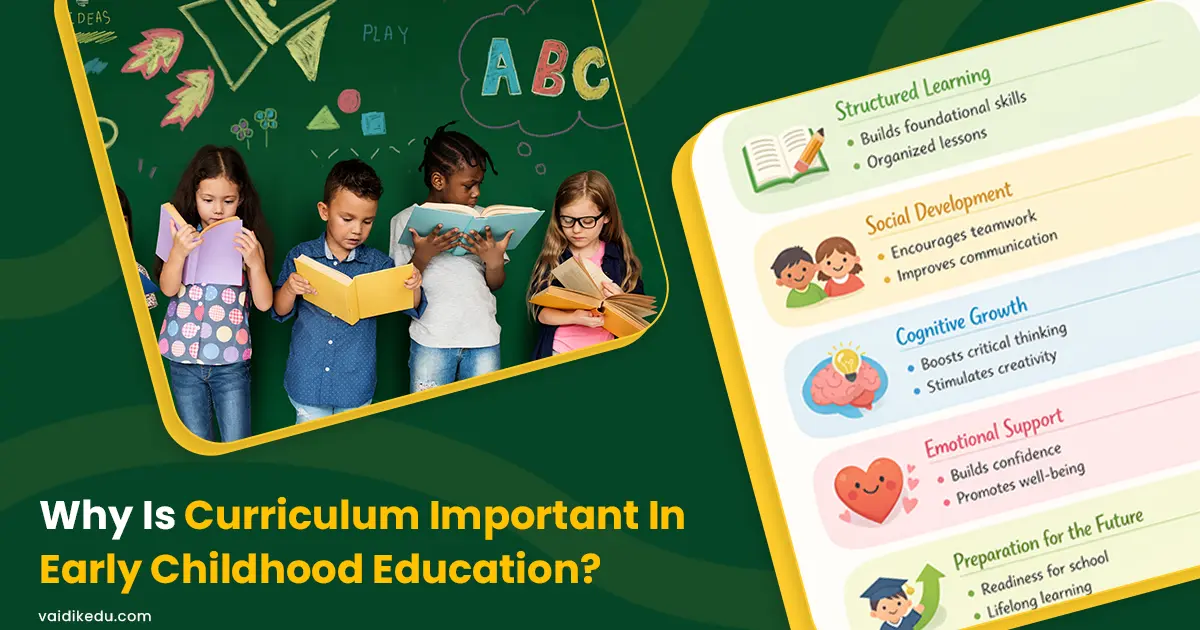
The K–12 years are the most pivotal stage of a child’s life. Not only do they shape learning knowledge, but also analytical abilities, creativity, social competence, and emotional intelligence. A successful K–12 curriculum is the foundation upon which all future learning is based, and that is where curriculum development services enter the scene.
Developing a K–12 curriculum today is about so much more than deciding what content to teach, it’s about shaping how children learn and grow in a rapidly changing world.
One key goal is building real-world skills. Subjects aren’t just taught to pass exams anymore, they’re designed to help students develop essential life skills like problem-solving, teamwork, communication, and digital literacy that they’ll carry into the future.
Nowadays, teaching is all about putting the child at the centre. Instead of just standing and lecturing, teachers bring lessons to life with storytelling, hands-on activities, questions that make kids curious, and projects that connect with them.
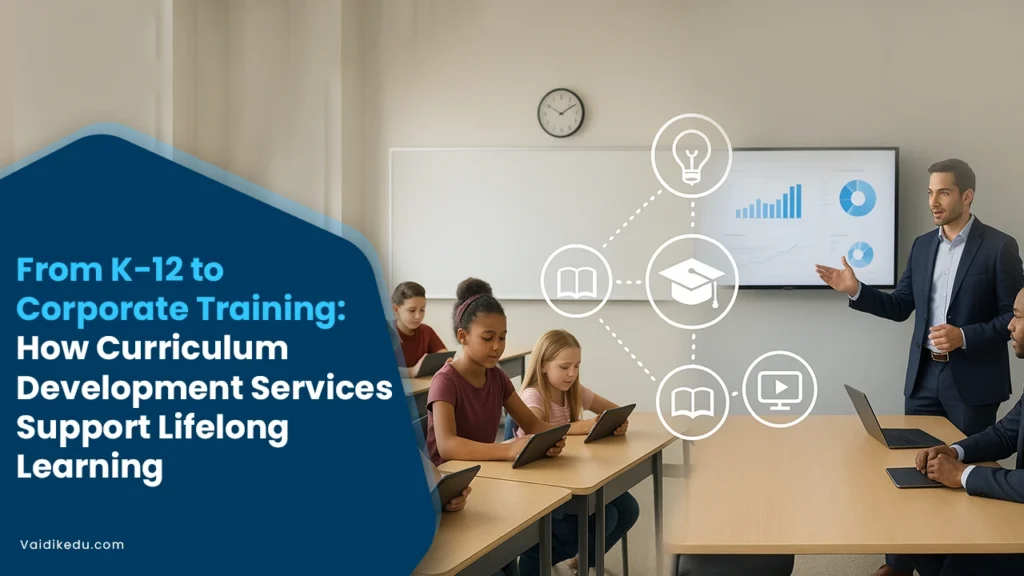
Technology has also become a big part of everyday learning. Smartboards, tablets, and online platforms are now standard tools that help students become comfortable with the digital world around them.
Learning is often made fun, especially for little ones, through games, animated videos, and interactive simulations. These keep kids engaged and help them enjoyably remember what they’ve learned.
Assessment has also changed quite a bit. It’s no longer just about exams and grades. Teachers continuously check how each student is doing, determine where they might need extra help, and tweak their teaching to fit different learning styles.
Most importantly, today’s curriculum is designed to include everyone. It understands that every child learns in their way, so lessons are flexible enough to support all students, including those with special needs.
Ultimately, K–12 curriculum development is much more than covering chapters. It’s about nurturing curiosity, helping children think independently, and preparing them for academic success and life beyond the classroom.
Higher Education Curriculum: Bridging Theory and Practice
When students leave school and arrive at college, their learning requirements shift. Higher education isn’t just about gaining advanced knowledge anymoreit’s also about learning how to put that knowledge to good use in real-world situations.
That’s where curriculum development plays a key role. It helps bridge the gap between what students learn in classrooms and how they can apply those ideas in practical, hands-on ways.
Curriculum developers in higher education work with subject experts, professionals, and instructional designers to craft programs that challenge intellectually but remain professionally relevant. Memorisation is no longer the focus but rather critical thinking, research, teamwork, and practice.
Curriculum development in higher education is no longer just about cramming in textbooks and theories, it’s about preparing students for the real world.
One of the top priorities is ensuring the content stays relevant to today’s industries. As technology and job markets evolve, so do the courses. This means students graduate with skills employers seek coding, data analysis, or sector-specific know-how.
Learning by doing has also become a core part of the experience. Internships, lab sessions, fieldwork, capstone projects, and case studies allow students to apply what they’ve learned in real-world settings, helping to bridge the gap between classroom theory and practical application.
These days, the problems we face in the real world rarely fall into just one category. That’s why there’s a growing emphasis on an interdisciplinary approach in education.
Students are encouraged to make connections between different fields, like how business and data science can work together, or how environmental concerns tie into economics and government policies.
This kind of learning helps them think more broadly and develop well-rounded solutions.
One of the most significant changes in education today is the shift towards encouraging critical thinking and research. It’s no longer just about memorising facts for a test.
Students are motivated to ask thoughtful questions, explore topics from different angles, think outside the box, and develop their perspectives. The goal is to help them become independent, curious learners who feel confident tackling new challenges, qualities that matter in every career and everyday life.
Technology plays a significant role, too. From Learning Management Systems (LMS) to MOOCs and blended learning models, digital platforms make education more accessible, flexible, and connected to a global knowledge base. And it’s not just about technical skills anymore.
Soft and life skills like communication, leadership, teamwork, entrepreneurship, and ethical decision-making are now built into many programs to support well-rounded development.
At its best, curriculum development in higher education combines deep academic learning with practical experience. It doesn’t just prepare students for their first job, it helps lay the foundation for a lifetime of growth, adaptability, and meaningful contribution to the world.
How Curriculum Development Services Enable Continuity
One of the greatest aspects of curriculum development services is their capability of ensuring learning continuity because they make a person go through a smooth, meaningful transition from one stage of learning to another.
Whether a child is moving from elementary to high school, a college student is stepping into professional life, or an employee is reskilling mid-career, well-designed curricula ensure that learning remains coherent, relevant, and progressive.
Here’s how curriculum development services foster lifelong learning continuity:
- Seamless Skill Progression: Curricula are designed to build on previous knowledge while introducing more advanced skills at each stage. For example, communication skills developed in school evolve into professional writing and public speaking in higher education and the workplace.
- Adaptability Across Learning Levels: Curriculum developers ensure content is adaptable to various learning levels from beginner to advanced allowing learners to transition naturally without feeling overwhelmed or disconnected.
- Alignment with Real-World Needs: Curriculum services assist students in remaining ready for present and future employment opportunities by aligning instructional material with market trends and professional skills. This relevance increases motivation and participation throughout the entire process.
- Tailored Learning Pathways: Technology and data analytics can enable the creation of customized learning pathways that address an individual’s specific strengths, weaknesses, skills, and professional objectives, which encourage autonomous, directed learning.
- Recognition of Prior Learning (RPL): Modern curriculum structures often include frameworks to acknowledge previously acquired knowledge and skills, ensuring learners don’t start from scratch but can efficiently build on their knowledge.
- Support for Career Transitions and Upskilling: In corporate training, curriculum developers focus on creating modular, bite-sized courses that help professionals acquire new skills, switch roles, or stay competitive all without disrupting their careers.
Challenges and Opportunities:
Curriculum design has dramatically impacted how people learn and develop skills across different careers, but it doesn’t come without difficulties. These challenges must be approached thoughtfully and with a good deal of understanding.
At the same time, the fast-moving world of technology and the shifting expectations of modern learners are creating new chances to improve how we teach and support lifelong learning in more meaningful, practical ways.
Challenges:
- Resistance to Change: Many schools and organisations hesitate to try new curricula or technologies because they’re used to traditional ways or are simply unaware of the benefits.
- Limited Resources: Creating and rolling out high-quality, tailored curricula requires time, skilled people, and money things that aren’t always easy.
- Scaling Up: Ensuring that the curriculum works well for different groups of learners, regions, and platforms can be complicated.
- Keeping Pace: Technology and industry trends change so fast that constantly updating the curriculum can strain development teams.
- Assessment Issues: Designing tests and evaluations that measure practical skills can be tricky, especially in corporate or professional training settings.
Opportunities:
- EdTech Innovations: Tools like AI, virtual and augmented reality, and innovative adaptive learning platforms make learning more personalised, interactive, and effective.
- Global Teamwork: Digital connectivity allows curriculum creators to collaborate with experts worldwide, sharing ideas and building relevant content across cultures.
- Data-Driven Improvements: Learning analytics provide valuable insights into students’ needs, helping fine-tune curricula for better results.
- Microlearning and Modular Courses: Short, focused learning chunks fit perfectly into busy schedules, supporting lifelong learning for professionals and diverse learners.
- Soft Skills & Wellbeing: More programs include emotional intelligence, leadership, and mental wellness, recognising that education should support the whole person, not just academic skills.
Conclusion:
Continuous learning is no longer a privilege but a fact in our fast-paced world. Whether in the earliest stages of K–12 learning or company-specific training, curriculum development services are at the core of building meaningful, effective, and adaptive learning experiences. These ensure learners learn the knowledge, competencies, and attitudes to handle boundless change.
Curriculum developers create integral circuits supporting development at all life stages by sealing the loophole between professional growth and regular education. As technology changes and student needs turn divergent, these services should be innovative, inclusive, and responsive to transform education into a lifelong process.
Investing in well-crafted curricula is an investment in people, empowering them to actualise their potential, be relevant, and succeed in an evolving world. Ultimately, curriculum development services are the architects of lifelong learning, empowering learners to grow, change, and thrive wherever their journey takes them.
Frequently Asked Questions
They create age-appropriate, skill-focused, and industry-relevant learning materials that evolve with learner needs—helping students build foundations and enabling professionals to upskill and stay competitive throughout their careers.