

Curriculum development is the backbone of effective education. It is the structured process of planning, designing, implementing, and evaluating learning experiences to ensure learners achieve defined educational outcomes. In the United States, curriculum development plays a critical role across K–12 education, higher education, corporate training, and online learning environments.
With increasing emphasis on standards alignment, workforce readiness, digital learning, and inclusive education, curriculum development in the U.S. is no longer limited to textbooks or lesson plans. It is a strategic, learner-centered, and outcome-driven process.
For institutions, school districts, universities, and education companies, partnering with professional curriculum development services in the USA ensures quality, consistency, and scalability. At Vaidik Eduservices, curriculum development is approached with a strong focus on instructional quality, compliance, and real-world applicability for the U.S. market.
The Framework of Curriculum Development
The framework of curriculum development provides a structured approach to designing effective learning programs. In the U.S., this framework is guided by educational research, national standards, and learner needs.
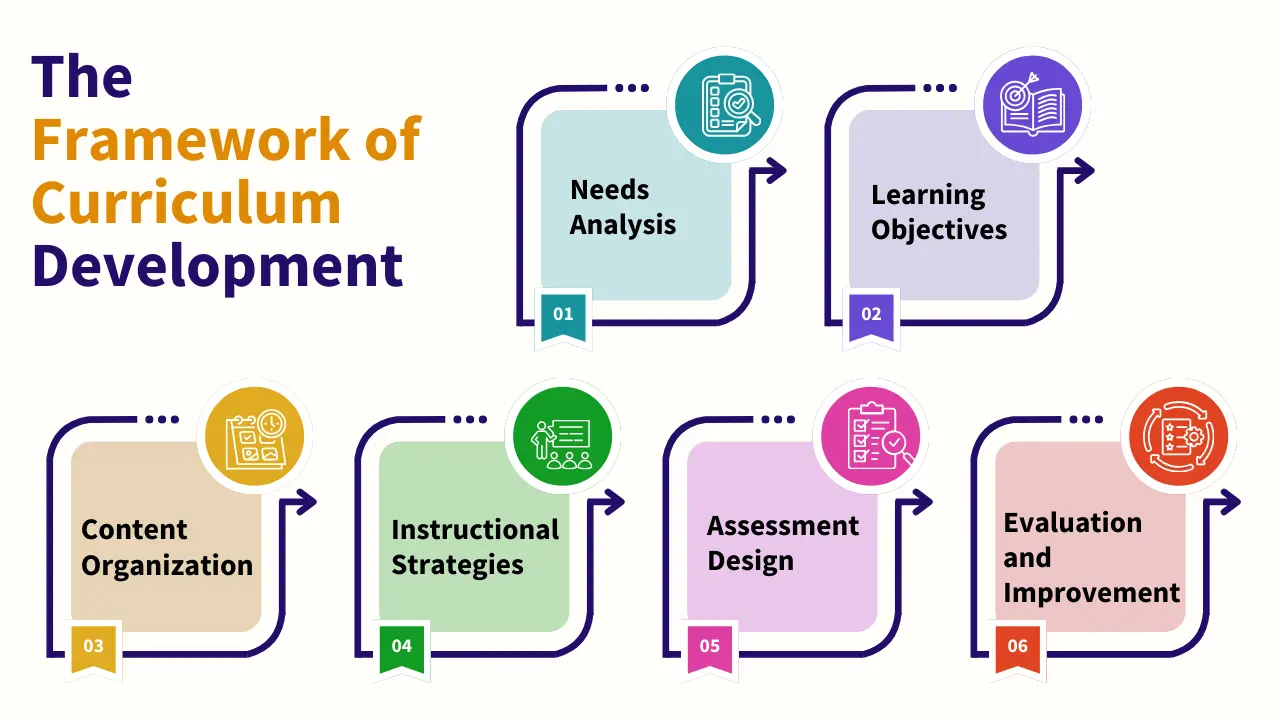
A typical curriculum development framework includes:
- Needs Analysis – Identifying learner profiles, skill gaps, academic levels, and institutional goals
- Learning Objectives – Defining measurable outcomes aligned with standards
- Content Organization – Structuring topics, modules, and learning pathways
- Instructional Strategies – Selecting teaching methods and learning models
- Assessment Design – Measuring learner progress and performance
- Evaluation and Improvement – Refining curriculum based on data and feedback
U.S.-focused curriculum frameworks often align with Common Core State Standards (CCSS), Next Generation Science Standards (NGSS), Bloom’s Taxonomy, and Universal Design for Learning (UDL) to ensure accessibility, inclusivity, and academic rigor.
What is the History of Curriculum Development?
The history of curriculum development in the United States reflects changes in society, economics, and educational philosophy.
- Early 1900s – Curriculum focused on basic literacy, numeracy, and moral education
- Post–World War II – Increased emphasis on science, mathematics, and national development
- 1960s–1980s – Growth of learner-centered education and cognitive learning theories
- 1990s–2000s – Rise of standards-based education and accountability systems
- Modern Era – Integration of technology, digital learning, STEM, SEL, and workforce skills
Today, curriculum development in the U.S. balances academic knowledge with practical skills, critical thinking, and lifelong learning.
How is A Curriculum Developed?
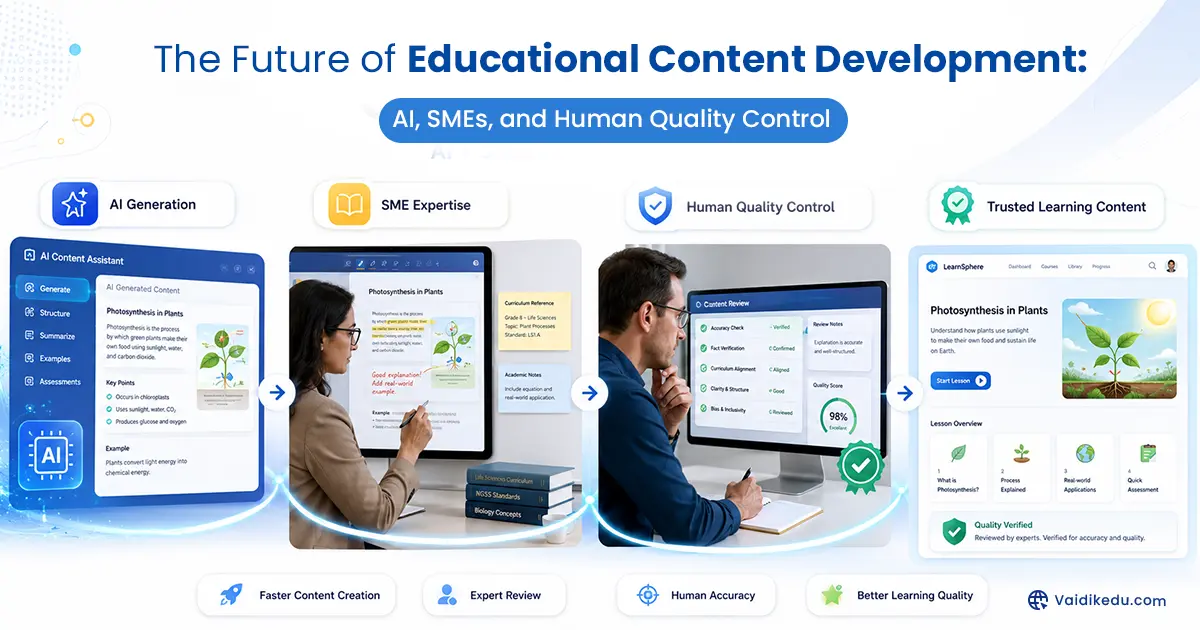
Curriculum development is a collaborative and systematic process involving educators, instructional designers, subject matter experts, and academic leaders.
The process typically includes:
1. Identifying educational goals and learner needs
2. Reviewing national, state, and accreditation standards
3. Designing structured content and learning pathways
4. Selecting instructional models such as blended or online learning
5. Developing assessments and evaluation methods
6. Implementing, reviewing, and continuously improving the curriculum
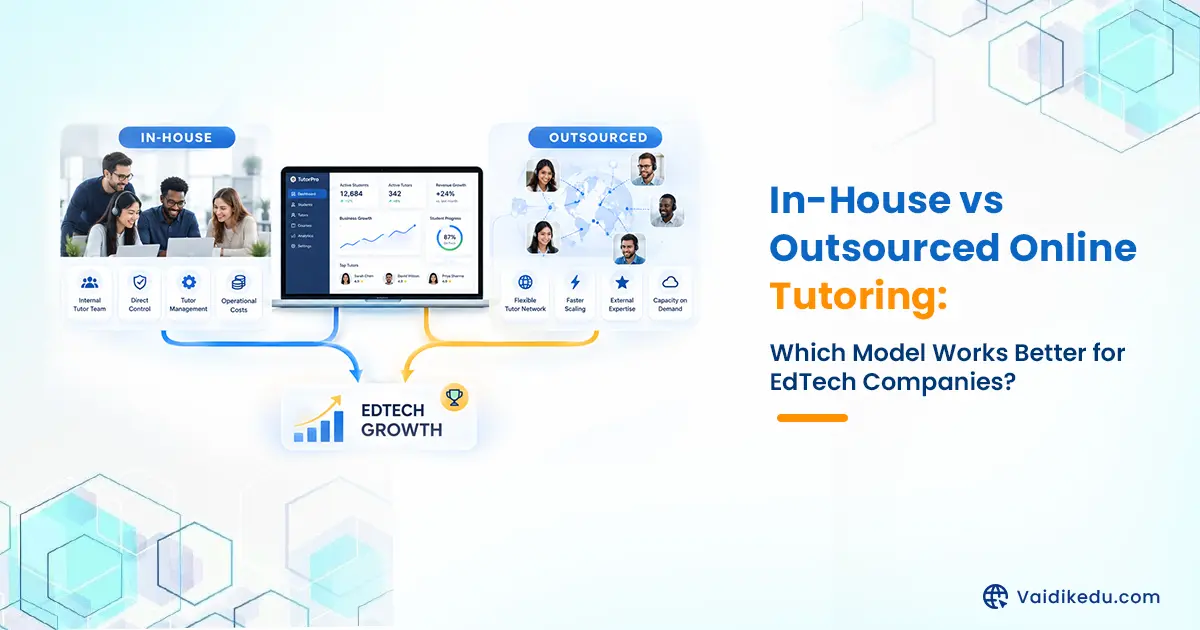
Organizations offering outsourced curriculum development help U.S. institutions streamline this process while maintaining high quality and compliance.
What Are the Goals of A Curriculum?
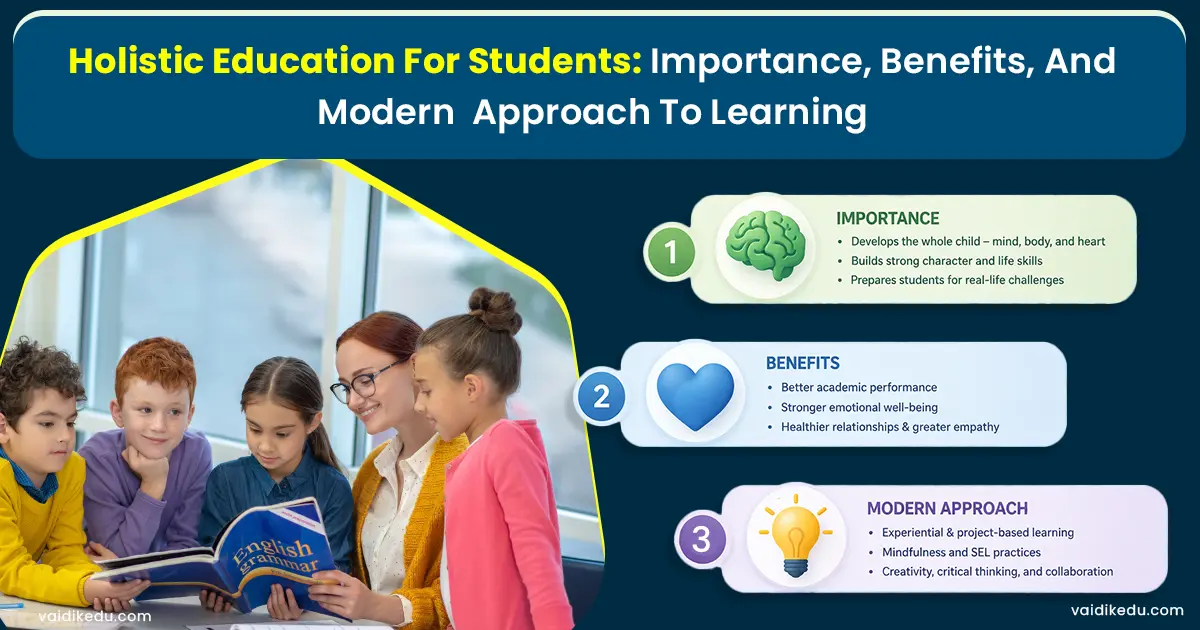
The goals of a curriculum go beyond delivering subject content. In the U.S. education system, curriculum goals are designed to prepare learners for academic success, careers, and responsible citizenship.
Key curriculum goals include:
- Building subject-matter knowledge
- Developing critical thinking and problem-solving skills
- Encouraging creativity and innovation
- Supporting social and emotional learning
- Preparing learners for higher education and employment
- Promoting equity, accessibility, and inclusion
A well-developed curriculum ensures learners can apply knowledge in real-world situations.
What is The Purpose of A Curriculum?
The purpose of a curriculum is to provide a clear and structured roadmap for teaching and learning. It defines:
- What learners should know
- What skills they should develop
- How learning will be delivered
- How success will be measured
In the U.S., curriculum also supports consistency across institutions, alignment with standards, accountability, and long-term educational planning.
What Are the Roles of Teachers in Curriculum Development?
Teachers play a crucial role in curriculum development, especially in the U.S. education system where classroom realities shape learning outcomes.
Teachers contribute by:
- Identifying learner strengths and challenges
- Adapting curriculum to diverse learning styles
- Implementing instructional strategies effectively
- Assessing learner progress
- Providing feedback for curriculum improvement
Their involvement ensures the curriculum remains practical, engaging, and learner-centered.
Six Steps For Curriculum Development
A structured six-step approach is widely used across U.S. institutions:
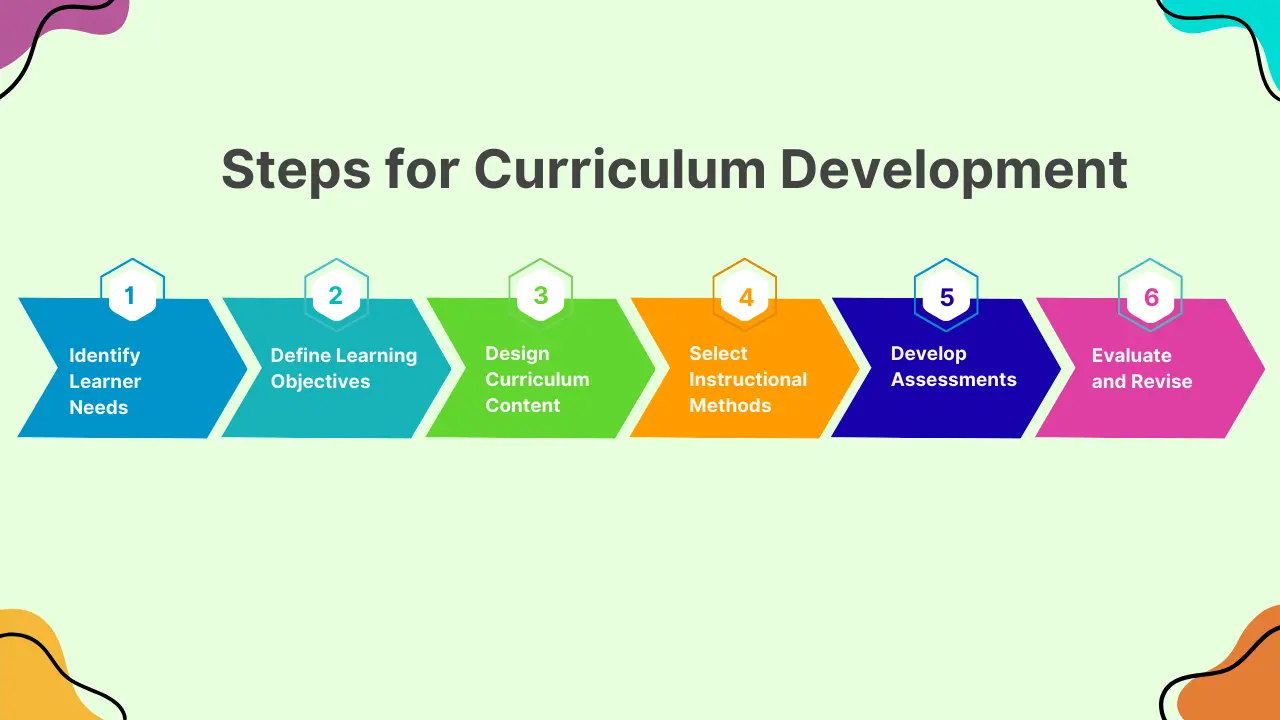
1. Identify Learner Needs
Analyze academic levels, learning gaps, and career goals.
2. Define Learning Objectives
Create measurable objectives aligned with standards.
3. Design Curriculum Content
Organize topics, modules, and resources logically.
4. Select Instructional Methods
Choose effective teaching strategies and technologies.
5. Develop Assessments
Design formative and summative evaluations.
6. Evaluate and Revise
Use data and feedback for continuous improvement.
Curriculum Development for Online and Digital Learning
With the growth of online education in the United States, curriculum development now supports digital-first learning environments.
Effective online curriculum development includes:
- LMS-compatible content
- Mobile-friendly learning design
- Interactive multimedia resources
- Self-paced and instructor-led formats
- Data-driven assessments
Institutions investing in online curriculum development services benefit from scalability, accessibility, and improved learner engagement.
Curriculum Development and Instructional Design: Working Together
Curriculum development defines what learners need to learn, while instructional design focuses on how learning is delivered.
Together, they ensure:
- Standards alignment
- Learner engagement
- Effective assessment strategies
- Technology-enhanced learning
Instructional design services in the USA complement curriculum development by transforming content into impactful learning experiences.
Key Challenges in Curriculum Development
Common challenges faced by U.S. institutions include:
- Rapid changes in education standards
- Integrating technology effectively
- Addressing diverse learner needs
- Ensuring accessibility and inclusion
- Aligning education with workforce demands
Professional curriculum development partners help overcome these challenges through expertise and scalable processes.
Best Practices For Effective Curriculum Development
Best practices followed by successful U.S. institutions include:
- Clear learning outcomes
- Standards alignment
- Continuous evaluation
- Inclusive design principles
- Real-world application
- Strategic use of technology
These practices ensure curriculum relevance and long-term impact.
How Curriculum Development Supports Workforce Readiness in the U.S.
Workforce-aligned curriculum development prepares learners for employment by focusing on:
- Skill-based learning
- Industry-relevant competencies
- Digital literacy
- Critical thinking and collaboration
This approach bridges the gap between education and employment.
Choosing the Right Curriculum Development Partner
When selecting a curriculum development partner in the U.S., institutions should look for:
- Experience with U.S. standards
- Strong instructional design expertise
- Scalable delivery models
- Quality assurance processes
- Experience across K–12, higher education, and corporate learning
Vaidik Eduservices offers customized, standards-aligned, and technology-enabled curriculum development solutions for the U.S. market.
Why U.S. Institutions Choose Vaidik Eduservices
U.S. schools, universities, and education companies partner with Vaidik Eduservices for:
- Custom curriculum development solutions
- Outsourced instructional design services
- E-learning and digital course development
- Cost-effective and scalable delivery
- High-quality, learner-centered design
Conclusion
Curriculum development is a strategic investment in learner success and institutional growth. In the evolving U.S. education landscape, a well-designed curriculum ensures academic excellence, workforce readiness, and long-term impact.
By adopting a structured, learner-focused approach and partnering with experienced providers like Vaidik Eduservices, U.S. institutions can deliver meaningful, scalable, and future-ready learning experiences.