


Effective training can make the difference between life and death in the healthcare industry, which is one of the most important sectors. The ability to make quick, well-informed decisions under duress is a prerequisite for healthcare professionals, including physicians, nurses, technicians, and allied health workers.
The use of instructional design in the healthcare industry has grown to be essential for raising training standards and guaranteeing that medical professionals are equipped to manage a range of medical emergencies. Through the implementation of well-designed educational techniques, healthcare institutions can raise staff competency, improve patient outcomes, and promote patient safety.
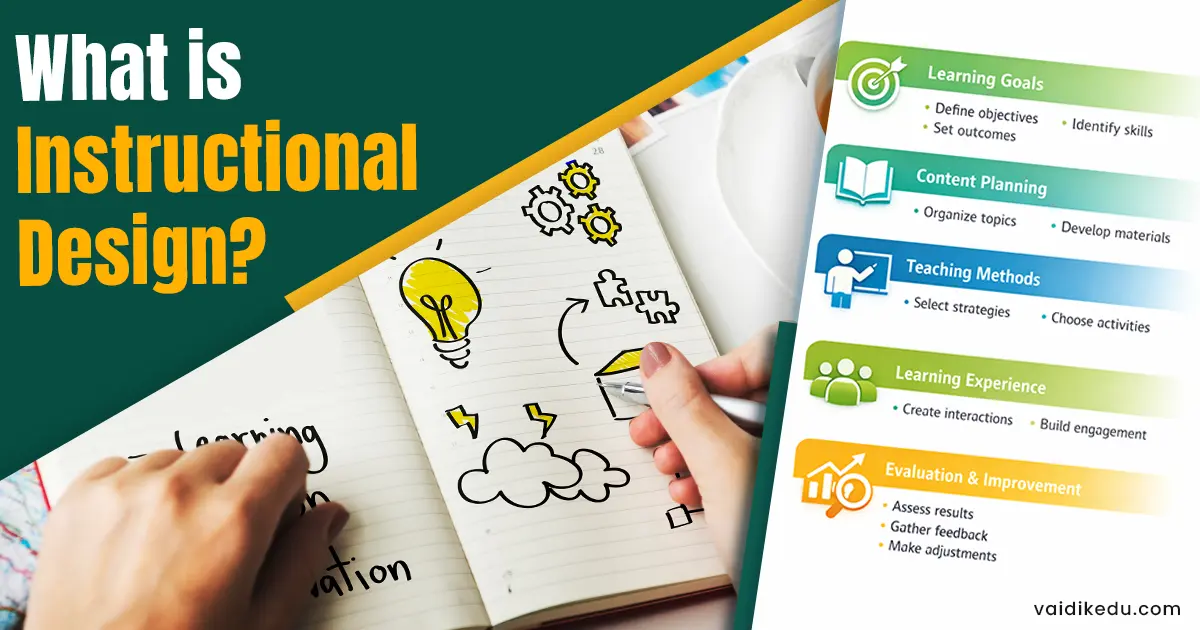
In the healthcare industry, instructional design refers to the methodical process of developing educational opportunities that are intended to transfer the skills and information required to provide patients with high-quality treatment. It involves more than just teaching theory; it also involves making sure that medical personnel have the practical experience needed in real-world situations.
To stay current on the newest medical procedures, technology, and breakthroughs, healthcare workers must participate in ongoing training. Training modules that are organized, supported by research, and interesting are made possible by instructional design, which also accommodates a variety of learning situations and demands. In addition to imparting the appropriate skills, these programs seek to develop the critical thinking ability required to enhance patient outcomes and safety.
Importance Of Instructional Design In Healthcare
Furthermore, instructional design Services is especially important for healthcare organizations because of their unique challenges. Effective, well-designed training programs are necessary due to the complexity of medical knowledge, the fast-paced nature of healthcare environments, and the necessity of precise and prompt action in emergency situations.
In order to provide a realistic and engaging learning environment, healthcare professionals’ instructional design extends beyond conventional approaches and integrates simulations, practical training, and scenario-based learning.
By using these techniques, healthcare professionals can hone their abilities in a secure setting, increasing their self-assurance and readiness for actual medical emergencies.
Instructional Design’s Function in Healthcare
The methodical and planned process of developing educational programs that improve the abilities and proficiencies of healthcare professionals is known as instructional design.
The main objective is to give them the skills and information necessary to provide efficient patient care. Analyzing training needs, creating relevant learning resources, and providing training in an approachable and useful manner are all steps in this process.
The utilization of simulation-based learning is one of the most important components of healthcare instructional design. Healthcare professionals frequently operate in high-pressure, high-stakes scenarios, and simulators offer a risk-free environment for practicing crucial procedures.
For example, medical professionals and students can practice procedures using surgical simulations, which raises their confidence and competence level. This practical method can greatly lower the possibility of mistakes in real-world scenarios. Additionally, emergency response methods, medical equipment handling, patient communication, and other critical skills can be taught through simulations.
Scenario-based learning is another crucial component of healthcare instructional design. By exposing healthcare workers to a range of clinical scenarios, this kind of training aids in the development of their decision-making abilities. In these situations, students are given challenging, real-world issues that call for data analysis, risk assessment, and crucial decision-making. These scenarios imitate real-world difficulties, giving students the chance to practice quick thinking, develop their clinical judgment, and learn how to put patient safety first.
Enhancing patient safety also heavily relies on instructional design. Instructional design guarantees that healthcare providers are adequately equipped to prevent medical errors by developing customized training programs that emphasize error prevention, medical safety procedures, and crisis management.
Patient safety training addresses a number of topics, such as appropriate recordkeeping, infection control procedures, and collaboration in interdisciplinary teams. These initiatives aid in reducing mistakes that could arise from poor communication, inadequate instruction, or disregard for procedures.
Instructional Design’s Effect on Patient Safety And Healthcare Education
The standard of patient care can be directly impacted by how well healthcare training programs work. A well-designed curriculum may guarantee that healthcare professionals not only acquire the required technical skills but also recognize the value of empathy, teamwork, and communication in patient care.
A culture of continuous learning is promoted by successful training programs, allowing medical personnel to stay current on the newest advancements in medicine and industry best practices. This continuous education keeps knowledge from becoming outdated and guarantees that healthcare professionals are equipped to handle new issues.
Additionally, the onboarding process for new healthcare employees heavily relies on instructional design. Well-crafted orientation and training programs aid new hires in comprehending the workplace culture, safety procedures, and regulations of the hospital or clinic. This shortens the time it takes them to master their jobs, which improves patient care, lowers turnover, and increases job satisfaction.
Additionally, by providing adaptable, easily updated training solutions that can be provided remotely or through digital platforms, instructional design can assist healthcare companies in adjusting to new technology or changing legislation.
Conclusion
In the medical field, where accuracy, effectiveness, and compassion are critical, instructional design is essential to making sure that practitioners are ready for any eventuality. Healthcare professionals can acquire the skills and information required to deliver the best treatment possible through well-designed learning programs that incorporate scenario-based learning, simulations, and real-world applications.
Additionally, a focus on crisis management, patient safety, and decision-making guarantees that medical professionals are always prepared to respond swiftly and efficiently in high-stress scenarios. Healthcare businesses may enhance patient safety and well-being as well as staff competency by investing in high-quality instructional design.
In the end, instructional design in the healthcare industry is about more than just imparting knowledge; it’s about fostering an atmosphere where learning results in improved treatment and results.
FAQs
1. What is healthcare instructional design?
The development of learning experiences that equip medical personnel with the abilities, know-how, and methods required to deliver safe and efficient patient care is known as instructional design in the healthcare industry. To increase proficiency and lower medical errors, it makes use of scenario-based learning, simulations, and practical training.
2. How is patient safety enhanced by instructional design?
Healthcare professionals can learn appropriate safety procedures, emergency response methods, and error-prevention approaches with the use of instructional design. Healthcare institutions can lower the incidence of medical errors and enhance patient outcomes by offering training on patient safety measures.
3. What advantages can simulation-based learning offer the medical field?
Healthcare workers can hone their skills and confidence without endangering patients by practicing medical operations in a controlled setting using simulation-based learning. Additionally, it helps kids hone their decision-making skills and them ready for stressful situations.
4. What effects does instructional design have on healthcare workers’ onboarding procedures?
Effective training of new healthcare staff on protocols, safety measures, and hospital-specific practices is guaranteed by instructional design. This facilitates a more seamless integration into the healthcare team and speeds up their mastery of their tasks.
5. Is it possible to use instructional design in all areas of healthcare?
Indeed, instructional design can be used in a variety of healthcare settings, such as clinics, hospitals, medical schools, assisted living facilities, and even telemedicine. It can be modified to satisfy the unique requirements of various patient groups and healthcare professionals.
6. What are the best ways for healthcare organizations to select instructional design strategies?
Healthcare businesses should evaluate the kinds of services they offer, the skill levels of their employees, and their unique training requirements. To achieve their objectives, they should work with skilled instructional designers to develop training curricula that emphasize medical processes, patient safety, and good communication.