
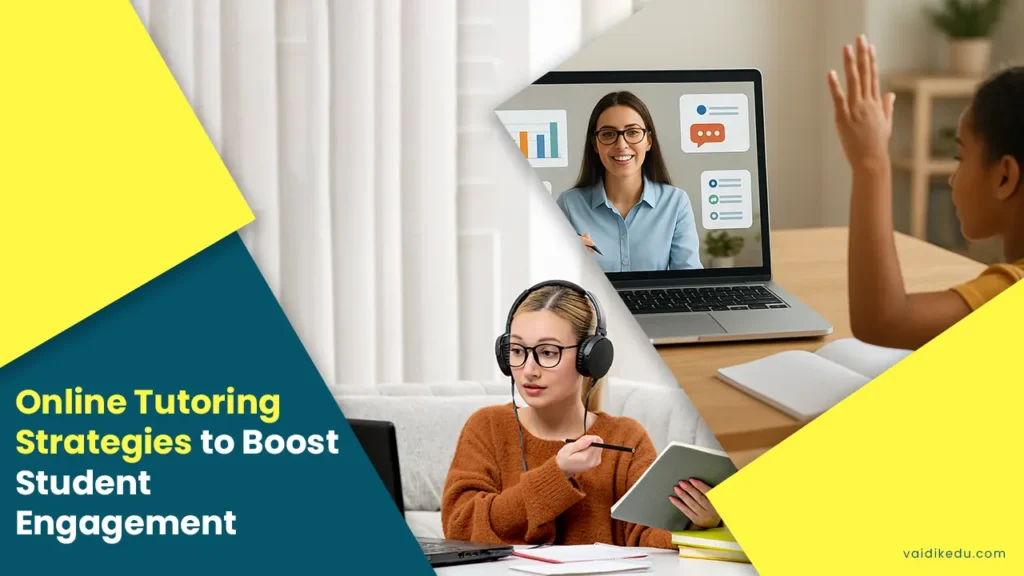
Online tutoring has become necessary in today’s electronic world. It accommodates flexibility for the learner, who can access tutors globally simultaneously.
The key challenge that online tutoring faces, especially during tutorials, is the learner’s disengagement because the learner does not come face-to-face with a trainer within virtual environments. Students often feel they are losing interest or getting disconnected from the intended study objective.
To make learning in the virtual world engaging, interactive and fun. Tutors must find new ways to attract students’ interest, promote participation, and deepen understanding.
The blog goes through 10 compelling online tutoring techniques meant to create high student engagement with learning, which should be meaningful and entertaining. Whether a beginner or experienced educator.
Steps To Online Tutoring Strategies To Boost Student Engagement
- Interactive Learning Tools:
With interactive learning tools, online tutoring sessions can be more engaging for students. This is because lessons made it seem more dynamic and participatory. These include digital tools such as virtual whiteboards, annotation features and live polling.
Most importantly, these allow students to visualise concepts and actively participate in the material. However, gamification elements like quizzes, badges and leaderboards create some competition and motive. The participation of the student.
More than that, Kahoot, Quizizz, and Padlet, among others, make learning fun by turning boring lessons into something interactive. These tools can make the learning environment more engaging for tutors to create an immersive experience for students so they stay focused and actively participate in their learning.
- Personalised Learning Approach:
A student-centred online tutoring approach involves catering to every learner’s needs, learning styles, and individual pace, which they might need to know or learn the material. Assessing a student’s strengths, weaknesses, and preferences will aid in tailoring the lessons.
Adaptive learning platforms, tailored lesson plans, and one-to-one feedback foster a learner-centric environment. And thus motivate a student. Moreover, allowing students to have a say in learning by letting them choose topics of interest or set their own learning goals will help increase engagement and a sense of ownership about their studies.
A personalized approach improves comprehension and fosters a deeper connection between the tutor and student, making learning more effective and enjoyable.
- Active Participation Techniques:
Maintaining student engagement in an online tutoring session requires encouraging active participation. Students must not just listen to techniques such as Socratic questioning from the tutor.
Asking the students to think critically with open-ended questions and activities such as Think-Pair-Sharing can allow them to discuss concepts with their peers. The small group discussions in virtual breakout rooms of Zoom and Microsoft Teams also help make sessions interactive.
Furthermore, polls conducted in real-time chat-based discussions and problem-solving activities ensure that the students stay involved and remember better. Tutors scan through this kind of participatory learning environment, making online sessions dynamic, interactive and practical.
- Multimedia Integration:
Engagements in online tutoring are enhanced when multimedia elements are included in tutoring sessions. For instance, multimedia helps make learning more interactive and visually appealing as videos, infographics, animations, and even interactive simulations assist in breaking up complex concepts according to different types of learners.
Storytelling using real-life examples or case studies makes the lesson more enjoyable and memorable. Other tools used include YouTube educational channels, Prezi and Canva. Multimedia integration would help transform lecturing into lively, interactive and engaging ways of teaching with better comprehension and retention, making learning online more efficient and enjoyable.
- Ongoing Assessment and Feedback:
This makes regular assessments essential for maintaining students’ engagement while keeping track of their progress. Online. Formative assessments, for instance, such as Quickquizzes polls and interactive exercises, help judge understanding in real time while making students actively participate.
Google Forms, Kahoot, and Quizizz: Our assessment tools make the process less intimidating and enjoyable. Constructive feedback ensures the student understands areas of strength and room for improvement for a growth mindset. Furthermore, personal feedback via audio recordings or video messages helps facilitate a supportive learning environment. Through more recurrent assessments and contextual feedback, Coaches can further student motivation, reinforce confidence and improve their level of achievement learning.
- Developing a Strong Student-Tutor Relationship:
A good student-tutor relationship creates an environment of trust, motivation and eagerness to participate in an online learning process. Establishing open communication, showing empathy, and creating a friendly atmosphere help the student feel comfortable and valued. It could be using students’ names, acknowledging their hard work, or showing interest in their thoughts and suggestions.
One can listen to students if one frequently holds small discussions with them and gives them insightful feedback. The 2nd factor is that the approachability and responsiveness of a tutor to students’ concerns help create this sense of confidence and belonging.
Students are more likely to be participative. Ask questions and actively participate in their learning when they feel connected to their tutor.
- Fostering Collaborative Learning:
It encourages active participation through group work, idea sharing, and peer interdependence as a learning process. Online tutors can facilitate collaboration through group projects, peer discussions, and even collaborative problem-solving tasks.
Google Docs, shared whiteboards, and online forums are among many tools that offer real-time opportunities for collaboration among students, thereby promoting communication and teamwork group debates. Peer reviews and interactive case studies also promote the active participation and learning of different perspectives from the students.
Collaborative learning encourages tutors to create an environment in which students will be engaged, improving their engagement and critical thinking, leadership and interpersonal skills for the student’s development in academics and profession.
- Time Management and Structured Sessions:
Clear goals and suitable session structures are responsible for keeping students interested in online tutoring. Stated objectives of a session help students know what they have to learn and thus remain engaged throughout the session.
Lessons planned with alternating activities such as brief presentations, engaging exercises, discussions and summaries will keep students from boredom. Time-bound activities in the form of quizzes or challenges push students to stay on task and monitor time effectively.
Ensuring that lessons remain productive and that students can take in information without feeling overwhelmed involves consistency in the structure. Thus, a well-planned session optimises learning, drives motivation and keeps them attentive from start to finish.
- Motivation and Reward System:
Online tutoring can be very motivating for students, but the introduction of reward systems can significantly enhance engagement. Making set goals very clear and achievable. It will keep students focused as they have a target to work toward.
A system of rewarding a student using virtual badges, certificates or recognition in front of tears acknowledges efforts and achievements and fosters continued participation with enthusiasm. Milestones can be tied to rewards such as completing a series of lessons, mastering a concept or raising quiz scores. This sense of accomplishment keeps them motivated and dedicated to their goals. The best way to merge intrinsic motivation- learning for the sake of learning- and extrinsic recognition and incentives- is in a positive learning experience that will keep the student interested and desirous to move forward.
- AI and Adaptive Learning Platforms:
AI and adaptive learning platforms are powerful tools that can enhance student engagement by providing personalised, data-driven learning experiences. They use algorithms that analyse a student’s strengths, weaknesses and progress, thus allowing tutors to customize lessons based on the insights gained.
Such tools as Smart Sparrow, Squirrel AI, and Duolingo adjust in real time to each student’s performance and offer targeted practice and resources based on individual learning gaps. Furthermore, instant feedback and support can also be provided to the students from AI-powered chatbots and virtual assistants.
That will keep students motivated outside tutoring sessions, as tutors can benefit from these technologies to provide better interactive learning through proper levels of challenge and appropriate levels of support for each motivation for each student to continue learning increases while learning is improved.
Conclusion:
This blog outlines 10 vital strategies for enhancing student engagement in an online tutoring environment. Some integral aspects include engaging learning tools and tailored approaches to ensure active participation and collaboration among students, which keeps them motivated about the learning process.
Regular assessments and AI-powered enhance the learning experience by making it more dynamic and tailored to individual needs.
Being a tutor, remember every student is uni, and therefore, what has worked for one may not be the same with another. 1 should try these approaches and then gradually modify them depending on each student’s preferences and success.
Staying flexible and adapting your approach continues to help create a far more engaging online learning environment, inspiring students to deliver their best performances.
Frequently Asked Questions
This makes online tutoring more interactive, with tools such as a digital whiteboard, quizzes, live polls, and breakout rooms for small group discussions. Multimedia elements like videos, images, and simulations and gamification elements like leaderboards and badges can increase student participation and interest.
Personalisation involves learning each student’s learning style, strengths, and weaknesses. Taylor, your teaching techniques and materials are according to the individual needs of a particular student, be it custom lesson plans on one feedback or offering learning at an adaptive pace through the use of adaptive learning platforms.
Ask open-ended questions, think-pair-share activities and group projects with discussions that provide opportunities for peer interaction. Life quizzes, polls and real-time feedback during lessons can also encourage active participation.