

If you’ve ever been responsible for teaching something whether in a classroom, a training session, or even an online course you probably know that figuring out what to prepare can be just as challenging as how to teach it. That’s where content analysis quietly plays a decisive role.
Instructional designers must review the content before making lesson plans or fancy slides. What is important? What do we leave out? What goes first, and how does it meet the learners’ needs? These are not just questions; they are central to content analysis.
In simple terms, content analysis involves breaking down the subject matter to understand it truly. It helps us organise information in a meaningful, relevant way and tailor it to the people learning it. Without this step, instructional design becomes a guessing game, and learning can easily lose direction.
In the sections ahead, we’ll unpack content analysis, how it fits into the bigger picture of instructional design, and why it’s a step that no designer should skip.
What is Content Analysis?
From an instructional design perspective, content analysis is all about the essentials of teaching. It involves analysing the content of a textbook, a training manual, or even some input from a subject expert to determine what is fundamental for learners to know, practice, or do.
Think of it like sorting through a box of puzzle pieces. Some pieces belong in the final picture, while others might be extras or duplicates. Content analysis helps us identify those key pieces of concepts, facts, skills, or themes that should be part of the learning experience.
It’s not just about listing topics; it’s about making sense of them, organising them logically, and deciding how deeply each should be covered.
In instructional design, this step is often done early on, right after defining who the learners are and what they need to achieve. It bridges the gap between raw information and a structured, purposeful learning plan. Without content analysis, there’s a risk of overwhelming learners with too much content or leaving out critical information.
Ultimately, content analysis helps instructional designers make intentional decisions about what matters, in what sequence, how complex it can be, and how to make it matter. These questions influence how we structure good learning experiences that are focused, engaging, and meaningful.
Purpose of Content Analysis in Instructional Design:
At first glance, content analysis might seem like a behind-the-scenes task, but its impact appears in every part of the learning experience. The real purpose of this process is to ensure that the content being taught serves a clear purpose and connects with the learner.
Instructional design is not simply about converting information onto slides or activities. It’s designing a journey; you need a map to make sense of the route, like any other journey. Content analysis is the perfect map. It helps designers and educators figure out what matters most, what the learners need to know or do, and how to organise it in a way that builds knowledge step by step.
This will also help avoid common pitfalls related to content smothering, such as when learners have too much information or miss whole content sections altogether. When done correctly, content analysis ensures that each piece of information is placed with intent. Instead of putting one in that crammed box of information, focus on pinpointing parts of the content related to the learning goals.
Another essential reason to engage in content analysis is to relate it to the learners’ needs and contexts. What may be perfectly appropriate for a group of experienced practitioners may be far too advanced for novices. Content analysis allows us to examine the breadth and depth of the materials so they are “just right” for the learners to handle the tension of learning, challenging them to learn but not so complex that it creates a roadblock.
Key Components of Content Analysis:
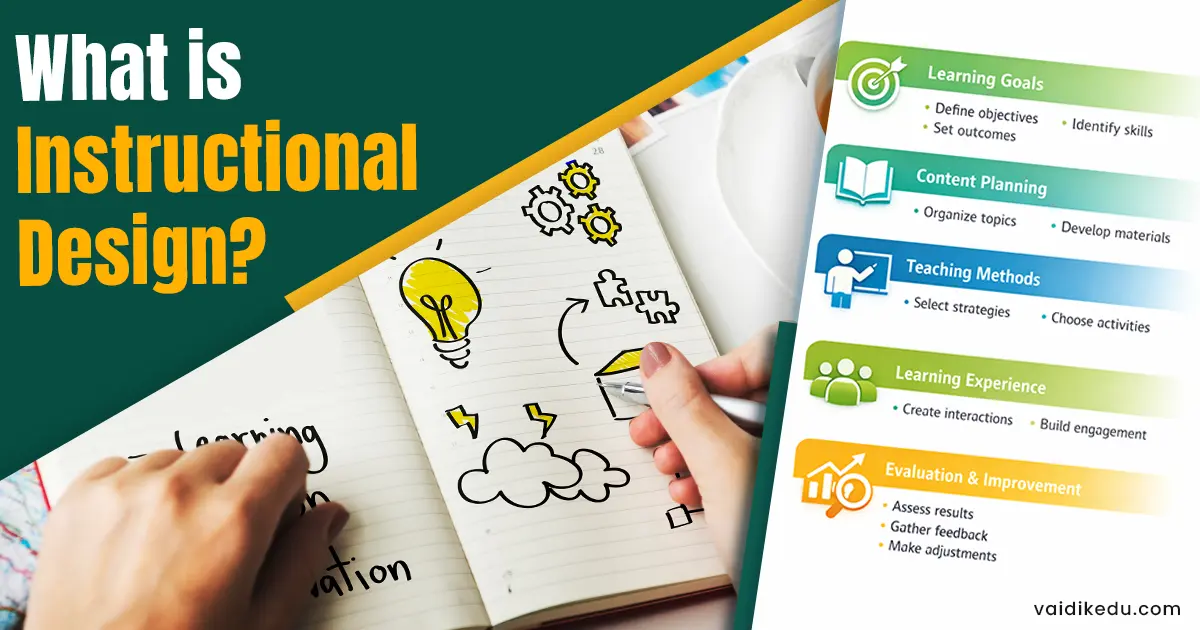
Content analysis isn’t a one-size-fits-all process. It involves several moving parts that help instructional designers make smart, learner-focused decisions. Each component shapes the content into something clear, organised, and effective.
1. Topic Breakdown
The first step usually involves unpacking the subject matter into smaller pieces. Instead of taking on one big, overwhelming topic, you break it into smaller pieces: main concepts, sub-concepts, and details. This makes it easier for you to prepare and teach the content and for learners to learn it.
2. Learning Objectives Alignment
Once you’ve broken down the content, matching each part to a clear learning objective is essential. Every piece of content should serve a purpose. Ask: “What should the learner be able to do with this information?” If the answer isn’t clear, that piece might not belong.
3. Relevance and Accuracy
Not everything in a content area is equally relevant. We can remove unreliable, no longer applicable, unnecessary, and overly complex aspects through content analysis. We can also check facts, examples, and nomenclature to include only the most accurate, authentic, and current content.
4. Complexity Level
Different learners have different levels of background knowledge. One of the most valuable parts of content analysis is figuring out how advanced or simplified the content needs to be. It ensures you’re not going over anyone’s head or talking down to them.
5. Sequence and Structure
Lastly, value while designing learning activities. Do the contributory ideas naturally progress? Does the lesson need a hierarchy in terms of foundational experience or skills? Understanding analytical capacities will structure the material so learners can use prior knowledge and make sense of commonly tense new ideas.
Steps Involved in Conducting Content Analysis:
Content analysis isn’t about rushing through a checklist. It’s a thoughtful process that helps you understand the subject before designing the learning experience. Here’s a look at the typical steps involving nothing overly technical, just a straightforward, practical approach.
1. Review the Subject Matter Thoroughly
Before anything else, take time to go through the material. This could be textbooks, company documents, recorded lectures, or previous course outlines. The goal is to get a complete picture of what the content covers. Now, you’re not editing or judging, just observing and gathering.
2. Gather Input from Experts (If Needed)
If the topic is complex or specialised, talking to someone who knows it well can make a big difference. Subject Matter Experts (SMEs) can help clarify complex concepts, understand the key takeaways, and identify anything dated or irrelevant. Their perspective can sometimes add dimensions that textbooks cannot provide.
3. Identify Key Concepts and Skills
After you become acquainted with the materials, begin focusing on the concepts, ideas, terms, and skills learners need to take away from the curriculum or a specific lesson. This is not a list of everything possible; this is about identifying the points that align with your learning intentions. What should the students understand? What should they be able to do?
4. Organise the Content Logically
Now that you know what’s important, think about how it should be presented. Should you start with the basics and build up? Does one concept naturally lead to another? Organising the content into a sensible flow is essential this step turns scattered ideas into a structured learning path.
5. Check for Gaps or Overlaps
After you have organised everything, take some time to step back and look for gaps and areas of over-repetition. Are there ideas that need more elaboration? Are there areas that say the same thing twice? This quality process helps tighten the content and provides a smoother final product for the learners.
6. Match Content with Learning Goals
Before moving forward, revisit your learning objectives. Make sure everything you’ve planned to include supports one of those goals. It might not need to be there if it doesn’t serve the learner’s outcome.
This process may take a while, but it is worth it. Done well, content analysis gives learners a clear, focused, meaningful course, one where they take in information, process it, and end up with understanding, application, etc!
Real-World Examples:
Sometimes, the best way to understand a concept is to see how it plays out in real situations. Content analysis might sound like a behind-the-scenes planning step, but it significantly impacts the effectiveness of a course or training. Here are a few examples that show how it works in everyday instructional design projects.
1. Designing a Middle School Science Unit
Imagine you’re creating a science unit on ecosystems for 7th graders. The textbook covers everything from food chains to biodiversity and climate impact. But after doing a content analysis, you realise that some sections dive too deeply into college-level terminology that students don’t need yet. So, you simplify the language, rearrange the lessons to start with familiar examples (like backyard animals), and build up to more complex ideas. Now, the content flows better and meets students where they are.
2. Creating Onboarding Training for New Employees
A company wants to train new hires on workplace communication. The HR team hands over a 50-page manual filled with policies, procedures, and jargon. You review the document and highlight what’s essential for someone just starting, such as how to write a professional email, use the internal messaging system, and follow meeting etiquette. You organise this into short, scenario-based modules and leave the legal policy parts for a separate resource. The training becomes clear, helpful, and far less overwhelming.
3. Developing an Online Course for Adult Learners
You’re tasked with designing an online financial literacy course for working adults. The raw content includes everything from budgeting basics to investment strategies. Through content analysis, you realise some topics like retirement planning are too advanced for beginners.
You decide to divide the course into two levels. The first covers day-to-day money management, while the second, offered later, focuses on long-term planning. This makes the course more approachable and relevant to learners’ immediate needs.
In each case, content analysis helped turn a pile of information into something meaningful and well-structured. It made the difference between simply presenting information and teaching something in a way that sticks.
Common Mistakes to Avoid:
Even with the best planning, a few mistakes can easily slip in during content analysis. One common issue is forgetting who the learners are designing content that is too advanced or too basic. Another pitfall is trying to include everything, which can overwhelm rather than inform.
Some designers rely too heavily on source material without questioning its relevance or accuracy. Others rush through without organising the content properly, making it harder for learners to follow the flow. And finally, if the content doesn’t tie back to the learning objectives, it risks feeling scattered or pointless.
Conclusion:
In the end, content analysis is about purpose; it is not simply a matter of gathering facts and topics, but consideration of value and purpose for the learner is essential.
Whether you are considering developing a lesson for your classroom, conducting corporate training, or building online courses, this process allows you to slow down, think clearly, and create a valuable resource.
Too often, we’re tempted to jump into designing slides or writing scripts.
But taking the time to understand the content can make all the difference. It keeps the instruction focused, the flow logical, and the learning outcomes realistic and achievable.
Content analysis is not technical; it’s thoughtful. It can be the unassuming foundation behind the most engaging, impactful, and meaningful learning experiences when done thoughtfully.
Frequently Asked Questions
Ideally, both work hand in hand. The subject matter expert has an in-depth understanding of the content, and the instructional designer will provide the structure for learning. When both collaborate, the product in development will be more balanced and more effective.
Not. While tools like mind maps or apps for planning have their place, you can stick with a pen and paper with a solid sense of your learners and learning goals. The most important thing is clarity, not complexity.
It all depends on the size of the project. A small training module may take a few hours, while a full curriculum might take days or weeks. What is most important is that you did not rush it – it is worth the effort you put into it.
Even with strong source material, skipping content analysis can lead to overload, confusion, or misalignment with learning goals. Reviewing and filtering your content through a learner-focused lens is always a good idea.