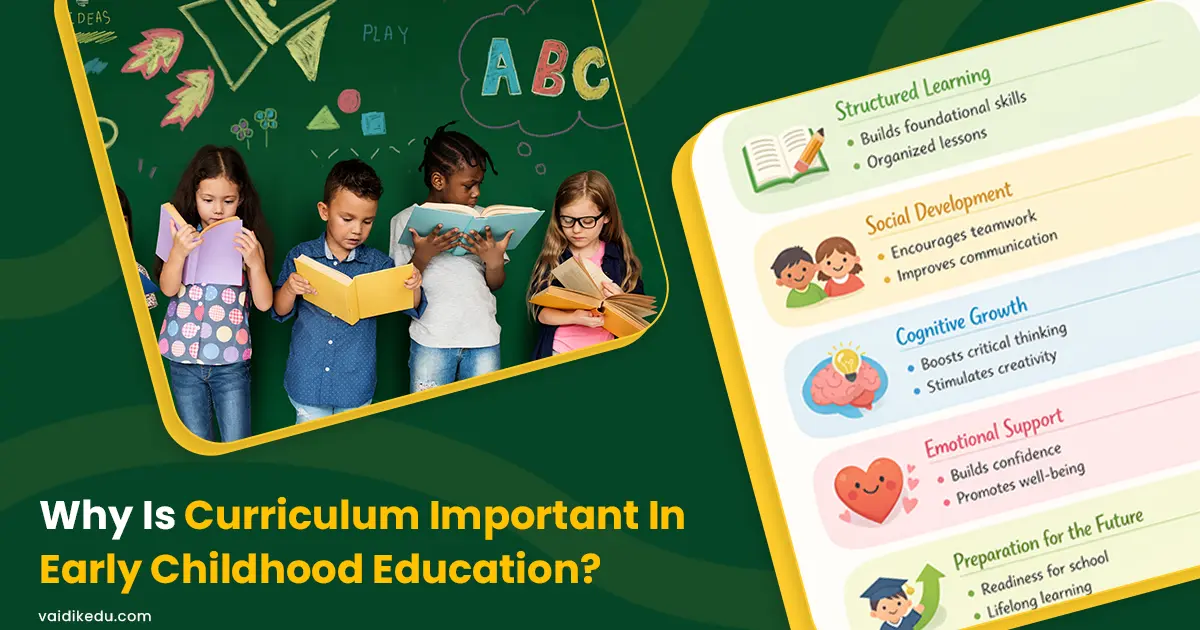


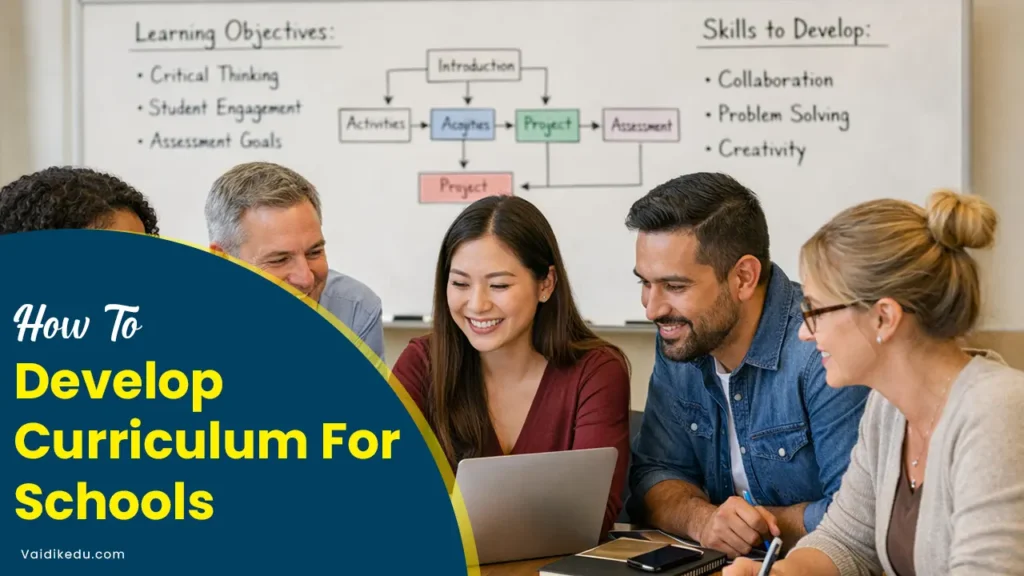
The curriculum is what makes education really work. A good curriculum is important because it does not just tell students what they need to learn. It also tells them how to learn it and why they need to learn it.
The curriculum tells us how to know if the students have learned it. These days the world is changing fast. So schools need to make curricula that focus on things that matter to every student. The curriculum should teach students skills and prepare them for the future.
The curriculum should prepare the students for what’s going to happen in the future. The curriculum is important for the education of the students. The curriculum and the education are what help the students learn and grow. Education is really important.
This blog is really helpful because it shows people how to make a curriculum for schools. It starts with the planning. Then it goes all the way to putting the plan into action and seeing how well it works. The blog is easy to understand.
It gives you steps to follow. It talks about developing a curriculum for schools. It does this in a very straightforward way, which is nice. Developing curriculum for schools is what this blog is about.
What is Curriculum Development
When we make a curriculum we need to plan it. We have to think about what we want to teach and how we want to teach it. Curriculum development is a step-by-step process. We plan what we want to teach, organize it, then we teach it. Finally, we see how well it works.
The main goal of curriculum development is to make sure that what we teach is what the students need to learn. It has to match what we want the students to achieve.
We also have to think about how we will teach the students and how we will know if they have learned it. Curriculum development is about making a plan for teaching and learning.
A Strong Curriculum Ensures:
- Consistency across grade levels
- Alignment with educational standards
- Meaningful learning outcomes
- Equity and inclusion for all learners
1: Identify Educational Goals and Learning Outcomes
Things You Need To Ask:
What are the important things to ask about the topic of Key Questions?
You should ask these Key Questions to get an understanding of the Key Questions.
The Key Questions are very important to ask when you are trying to learn more about the Key Questions.
- What do you want to know about the Key Questions
- How can you use the Key Questions to help you
The Key Questions are really important and you should ask them to get the information you need about the Key Questions.
What do students need to know by the time they finish a course or get to the end of a grade?
Students should have an understanding of the main things they were taught in that course or grade. The things that students learn in a course or grade are very important for the course or grade. So students need to know these things by the end of the course or grade.
For example, what are the main things that students should know about a subject by the end of a course or grade? Students should know the ideas and skills of the subject by the time they finish the course or grade.
The main ideas and skills of a subject are the important things that students learn in a course or grade. Students need to know these things to do well in the course or grade. By the end of a course or grade students should be able to do things on their own. They should be able to use what they learned in the course or grade to solve problems and answer questions.
What skills should the people we are talking about be able to show that they have? They should be able to demonstrate the skills that are necessary for the job. The people should be able to show that they have the skills for the job.
They should know how to do the things that the job requires
The people should be able to do the tasks that are given to them
The skills that people have are very important. The people we are talking about should have the skills that are necessary.
What we want to achieve should include:
We are looking for something that has a lot of things. The things that we want to achieve with this are very important to us. So what we want to achieve should have these things. We want to make sure that what we want to achieve is good for us. We also want what we want to achieve to be something that we can do. What we want to achieve is the important thing, to us right now.
- Academic excellence
- Emotional intelligence
- Social responsibility
- Ethical thinking
- Creativity
- Career readiness
The curriculum is designed to help students develop, not just perform well on exams. It is very important that the curriculum supports the development of students. The curriculum should help students in ways that make it effective. This means the curriculum is not about getting good grades, it is about the development of students as a whole. This is what the curriculum is really, for the development of students.
2. Analyze Learner Needs
We need to create a curriculum that’s good for the students. The students are the ones who will use the curriculum. So it should be designed with the students in mind. We have to think about what the students need to learn. We also have to think about how the students can learn it in a way that works best for them. The curriculum should be made for the students. This is because the students are the ones who will be affected by the curriculum. We are making the curriculum for the students. The students will be using the curriculum every day.
Consider:
- Age group and cognitive development
- Learning styles
- Cultural background
- Language proficiency
- Social environment
- Learning difficulties
- Digital access
3. Align With Standards And Policies
What students learn in school is called the curriculum. This curriculum must follow rules. The curriculum has to be set up in a way. The curriculum needs to include all the things that students need to learn. Students need to learn a lot of things. The curriculum must have all these things. The curriculum is what students learn in school. It must be done in the right way.
- National education policies
- State education frameworks
- Accreditation requirements
- Assessment standards
This alignment makes sure students meet the required benchmarks, and at the same time it lets them be innovative. The alignment is really important for the students because it helps them meet the benchmarks that are required. This is what the alignment does for the students and their academic benchmarks. Student-centred curriculum design helps ensure equity, inclusion, and accessibility in learning.
4. Define Learning Outcomes
So when we talk about learning outcomes we are talking about what students should know and what students should be able to do after they have learned something. Learning outcomes are pretty important because they tell us what students should be able to do.
Good learning outcomes are:
- Clear
- Measurable
- Skill-based
- Application-oriented
5. Design Curriculum Structure
- Organize content into:
- Subjects
- Units
- Modules
- Topics
- Lessons
- Activities
This makes a lot of sense for learning things in order. It creates a learning flow. The learning flow is really important because it helps people understand the information in a way. This is what the logical learning flow is about.
This setup makes sure that students can keep learning and get better as they move from one grade to the next. The structure is really important because it helps with continuity and progression across all the grade levels.
6. Choose Teaching and Learning Methods
The things we learn in school should not just be about listening to teachers talk. Modern curricula must go beyond lectures. We need to do more than just sit and listen. Modern curricula must include ways of learning such as projects and activities so that we can really understand the things we are learning.
Things that work well include:
- Project-based learning
- Inquiry-based learning
- Experiential learning
- Collaborative learning
- Problem-solving tasks
- Digital learning
- Gamification
- Real-world simulations
This supports active learning instead of passive memorization.
7. Pilot Testing and Feedback
Before full implementation:
- Test the curriculum in selected classrooms
- Collect student feedback
- Gather teacher observations
- Measure learning outcomes
We need to find the gaps. The gaps are the things that are missing. We have to look for the gaps in the information we have about the topic. What are the gaps that we need to fill in? We are trying to identify the gaps so we can make things better.
Look at what we know about the topic
Check what is missing from the information we have
The gaps can be big or small. We need to identify all the gaps. We have to make a list of the gaps. Then we can start to fill in the gaps. We will work on filling in the gaps one by one. Identifying the gaps is the first step. Filling in the gaps is the step. Identifying gaps is very important. We have to be careful when we identify gaps.
This makes it possible to make things better before they are used by a lot of people.
8. Continuous Review and Improvement
Curriculum development is not a one-time process.
It must get better with the things that are important to Technology, and also with Technology.
It has to work with Technology
It needs to understand what Technology is doing
It should be able to help Technology do its job better
It must be able to adapt and grow with technology over time.
- Technology changes
- Job market trends
- Social changes
- Global challenges
A strong curriculum is dynamic, flexible, and adaptive.
Conclusion
Developing a curriculum is a job that goes beyond the classroom. It is something that helps build a country. When we make a curriculum we do not just teach students we help make them into good people.
A good curriculum helps make leaders who do things like citizens who care about their country, people who come up with new ideas and people who make a difference. Curriculum development is very important because it helps make a future for our country.
We need to think about what we want our students to learn from the curriculum. A good curriculum should teach students about things that will help them in life like how to be a leader, how to be a responsible citizen and how to come up with new ideas. Curriculum development is a responsibility because it shapes the future of our country.
When schools put a lot of thought into what they teach, they are really investing in the future of our world. Schools that do this are helping to shape the people who will make up our society. This is a deal because schools are basically investing in the future of our society. A powerful curriculum doesn’t just teach students how to pass exams it teaches them how to live, think, and lead.
Frequently Asked Questions
The first step is assessing educational needs. This involves:
Identifying the gap between current knowledge and desired learning outcomes.
Gathering input from stakeholders (students, employers, and industry trends).
A robust curriculum includes these four core elements:
When we talk about Aims, Goals and Objectives we need to think about what the students will learn from this. What should the students do? Be able to do it at the end of it all? We are looking at what the students will be able to do with the Aims, Goals and Objectives. The main thing is to figure out what the students will know about the Aims, Goals and Objectives after they have finished.
Subject Matter/Content: The specific topics, concepts, and information to be taught.
Learning Experiences: The instructional strategies, activities, and resources
Evaluation Procedures: Methods to assess if the goals were achieved
Backward Design is a three-stage curriculum development model (often called Understanding by Design) that reverses traditional planning:
Stage 1 is where we figure out what we want to learn. We need to identify the learning results we want to achieve. What do we want the learning outcomes to be, for the learning process of the learning results.
Now we are at Stage 2. This is where we figure out what proof is needed to show that the results were really achieved. We have to determine what evidence is acceptable. This evidence is like a test to make sure everything is correct. We are doing an assessment to find out if the results are true. The assessment will help us determine if the results of the project are real. We need to find evidence that shows the results were achieved.
Stage 3: Plan the instruction, learning experiences, and resources.
Curriculum should be reviewed annually to ensure it remains relevant and effective. However, in-depth revisions might occur every 3–5 years based on major industry changes or feedback, while the syllabus can be updated more frequently.
Integrate Competencies: Embed skills (e.g., critical thinking, collaboration) directly within the academic content standards.
To help students learn we should use a method called Project-Based Learning. This is where we give students tasks that need them to use what they have learned in school to figure out a problem that needs to be solved. We want students to take the knowledge they have gained and apply it to a situation like a problem that needs a solution. By doing this students will learn skills and get better at using what they know to solve problems. Project-Based Learning is a way to do this because it makes students think about how to use their knowledge to fix a problem.